
Rilvegostomig Plus Trastuzumab Deruxtecan Allows Certain Patients to Skip Breast Cancer Chemotherapy
Adding rilvegostomig to neoadjuvant trastuzumab deruxtecan in patients with high-risk, HER2-negative breast cancer yielded response rates that were similar to standard of care but allowed substantial numbers of patients to skip chemotherapy and avoid doxorubicin and cyclophosphamide, according to findings presented at the 2026 ASCO Annual Meeting.
In the phase 2 I-SPY2.2 study, Ciara O’Sullivan, MB, BCh, an oncologist with the Mayo Clinic in Rochester, Minnesota, and colleagues administered neoadjuvant therapy to patients with high-risk, HER2-negative breast cancer in three distinct sequences while also randomly assigning some patients to standard therapy.
In the first sequence, block A, all patients were eligible for rilvegostomig plus trastuzumab deruxtecan. In block B, patients were treated with paclitaxel with or without carboplatin and/or pembrolizumab. Afterward, those who were predicted responders in block A or B were eligible for surgery. Those who were not eligible for surgery after block B proceeded to block C, which consisted of doxorubicin plus cyclophosphamide with or without pembrolizumab. Patients with hormone-receptor (HR) positive, immune-positive disease also received immunotherapy in blocks B or C.
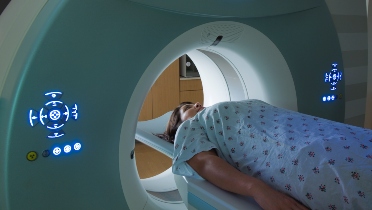
The researchers also performed regular lung function tests and chest CT scans to minimize the risk for interstitial lung disease.
The main outcome of the study was pathologic complete response within each response-predictive subtype and HR or HER2 signature.
There were 105 patients randomly assigned to rilvegostomig with trastuzumab deruxtecan and 31 assigned to the control regimen.
In block A, the estimated pathologic complete response rate was 57% among 12 patients with HR-positive and immune-positive disease. This was significantly greater than the prespecified goal rate, which was 15%. Among 35 patients with HR-negative, immune-positive disease, the estimated pathologic complete response rate was 52%.
In block A, fatigue was the most common adverse event followed by nausea and alopecia.
Interstitial lung disease was the most common adverse event of special interest. This event occurred in 12 patients in block A, mostly at grade 1 or 2. In other blocks, three patients developed interstitial lung disease, all of whom had grade 1 disease. Eight participants discontinued the rilvegostomig-trastuzumab deruxtecan regimen because of interstitial lung disease and proceeded to block B.
“When considering the full treatment strategy including Block B and C regimens, experimental strategies had similar estimated pathologic complete response rates versus controls in immune-positive subtypes, but Block A rates exceeded pre-defined goal thresholds. This infers that treatment beginning with rilvegostomig with trastuzumab-deruxtecan has equivalent efficacy to standard of care for immune-positive patients, but 64% [patients] with pathologic response skip chemotherapy (Block B) and 97% avoid doxorubicin and cyclophosphamide (Block C). Rilvegostomig-trastuzumab deruxtecan participants avoided persistent interstitial lung disease.”
-Study author, Ciara O’Sullivan, MB, BCh, oncologist, Mayo Clinic, Rochester, Minnesota.
--
References:
https://www.asco.org/abstracts-presentations/258687
https://clinicaltrials.gov/study/NCT01042379
Disclosures: Authors declared relevant financial disclosures. See full study for details. The study was funded by US National Institutes of Health, Quantum Leap Healthcare Collaborative, Safeway Foundation, William K. Bowes Jr. Foundation, and Breast Cancer Research Foundation.
By Andrew John
Photo Credit: Getty Images




















































 Featured Breast Cancer Videos