
Certain Lymphocytes Indicate Treatment Responsive in Early HER2+ Breast Cancer
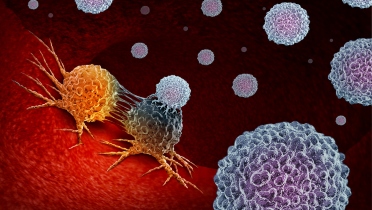
Patients with early HER2-positive breast cancer who had a high percentage of stromal tumor-infiltrating lymphocytes (TILs) were more likely to achieve a pathologic complete response (pCR) from neoadjuvant chemotherapy consisting of either trastuzumab alone or in combination with lapatinib compared with lapatinib alone, according to research presented at the 2024 ASCO Annual Meeting.
“These findings can be partially explained by the mechanism of action of the HER2-directed agents,” the researchers wrote in their study abstract. “[Trastuzumab] leads to antibody-dependent cell-mediated cytotoxicity, and a higher percentage of TILs may enhance this mechanism, whereas [lapatinib] has intracellular tyrosine kinase disruption.”
In the phase 3 NSABP B-41 trial, the researchers analyzed data from 257 patients with early breast cancer, of which 58% (n = 149) had ER-positive breast cancer. Researchers assessed pCR status in relation to TIL score, grouping patients into low (1-5%), intermediate (6-30%), and high (31-95%) categories based on TIL percentage.
Of the patients included in the study, 36% (n = 92) received lapatinib alone, 35% (8 = 89) received trastuzumab alone, and 29% (n = 76) received a combination of both.
The results showed 49% of patients were in the low TIL category, 22% were intermediate, and 29% were in the high category. The researchers noted no significant differences in TIL expression based on estrogen receptor or breast cancer intrinsic subtypes and no significant association between TIL category and pCR in any treatment group.
There was a similar pCR rate among patients who received trastuzumab alone or trastuzumab with lapatinib compared with lapatinib alone.
In the high TIL category, treatment with trastuzumab alone or trastuzumab with lapatinib was significantly associated with pCR compared with the group that received lapatinib alone and was non-significantly associated with a higher pCR rate in patients with ER-positive breast cancer.
The researchers also found a non-significant decrease rate of pCR among patients in the high TIL category with ER-negative breast cancer. The researchers noted no associations in TIL category regarding age, histologic grade, nodal status, or menopausal status.
“Our next steps include additional studies assessing the interaction between TILs and long-term outcomes, as well as gene expression and TILs to validate this biomarker for future clinical trials in HER2-positive early breast cancer.”
- Ilana Schlam, MD, hematology-oncology fellow at Tufts Medical Center, Boston.
References:
https://meetings.asco.org/abstracts-presentations/231477
https://clinicaltrials.gov/study/NCT00486668
Disclosures: Some authors declared financial ties to drugmakers. See full study for details. The NSABP B-41 trial was supported by the Breast Cancer Research Foundation.
Photo Credit: Getty Images.























































 Featured Breast Cancer Videos