
ASCO: Pregnancy, Live Birth Common After Breast Cancer Treatment
Many younger breast cancer survivors were able to become pregnant and give birth after treatment, according to research presented at the 2024 ASCO Annual Meeting.
“This study was designed to address gaps in the literature by reporting on pregnancy and live birth rates among a prospective group of breast cancer patients and survivors who indicated attempting to conceive following their diagnosis of breast cancer. Moreover, the patient population reported on in this study has a median follow-up of over 10 years and includes those with a history of any prior subtype of breast cancer.”
- Kimia Sorouri, MD, MPH, research fellow at Dana-Farber Cancer Institute.
Sorouri and colleagues enrolled 1,213 patients with ductal carcinoma in situ (stage 0 breast cancer) or stage I-III breast cancer. The median age was 32 years, and all enrolled patients were aged 40 years or younger. Chemotherapy was commonly used as a breast cancer treatment (68%), and 57% of patients received hormone therapy within 1 year of being diagnosed.
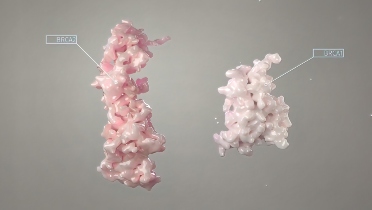
In total, 76% of the cohort had HR-positive breast cancer, and 13% harbored BRCA mutations. At the time of diagnosis, 51% of patients reported never having been pregnant, with 72% having never given birth at full term. The reported infertility rate at the time of enrollment was 15%.
The researchers excluded patients with metastatic disease as well as those who had uterus or ovaries removed prior to diagnosis. Fertility preservation treatments, such as embryo or egg freezing, occurred in 28% of the cohort.
Patients were followed from 2006 through 2016. During that time, 16% of the cohort (n = 197) reported attempts to become pregnant. Among those who actively sought to conceive, 73% experienced at least one pregnancy, and 65% of patients who became pregnant delivered a live birth. The median time from diagnosis to first pregnancy was 48 months (range, 6-125).
Patients who self-identified as financially comfortable had a higher likelihood of becoming pregnant, while patients who underwent fertility preservation at diagnosis had a higher likelihood of live birth. Conversely, older age at diagnosis was associated with a lower likelihood of pregnancy and live birth.
Factors that did not appear associated with becoming pregnant or live birth included history of infertility, BRCA status, prior births, type of breast cancer treatment, breast cancer characteristics, race, or ethnicity.
“Evolving data continues to demonstrate not only the possibility but safety of pregnancy and live birth after breast cancer treatment. This study indicated a significant number of breast cancer survivors attempting pregnancy achieved live birth, particularly those with financial comfort. All young people interested in fertility preservation should have equitable access to preserve future fertility options.”
- Elizabeth Comen, MD, assistant attending physician at Memorial Sloan Kettering Cancer Center.
--
Reference:
Disclosures: Some authors reported financial ties to drugmakers. See abstract for details. The study was funded by Susan G. Komen and the Breast Cancer Research Foundation.
Disclaimer: Narration was created using Elevenlabs AI text-to-voice tools and reviewed by MD /alert editorial staff.
Photo Credit: Getty Images.
By Cameron Kelsall, MD /alert Contributor










































 Featured Breast Cancer Videos